
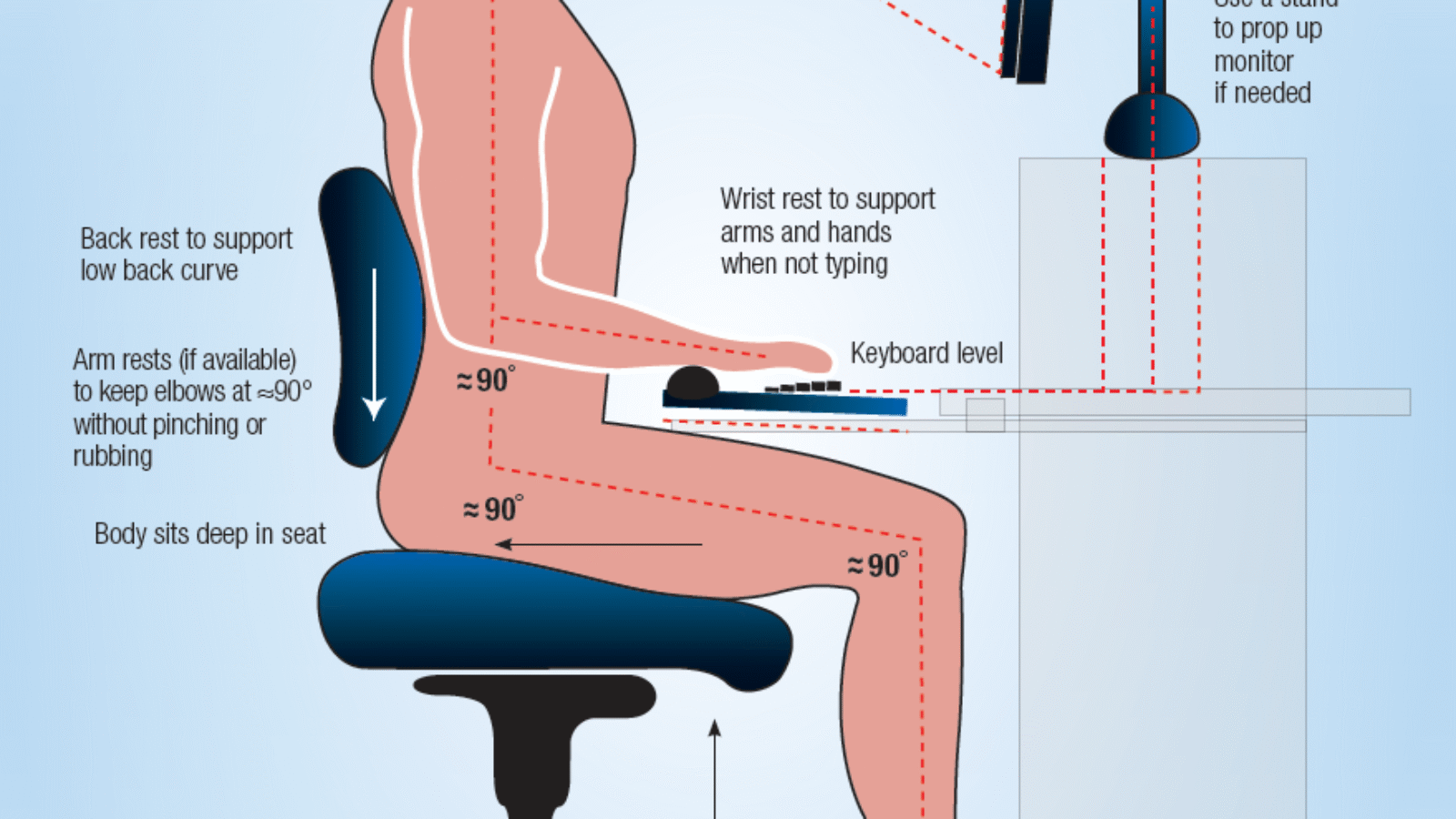
This article addresses the high prevalence and negative impact of musculoskeletal disorders (MSDs) in workplace settings and presents ergonomics as a key approach for prevention. The authors base their discussion on a case-study in the administrative unit of the University of Port Harcourt, Nigeria, supplemented by literature review and ergonomic theory.
They begin by defining ergonomics as the science of fitting the workplace to the worker, rather than forcing the worker to adapt to poorly designed environments. They also define MSDs broadly as injuries or conditions affecting muscles, bones, tendons, ligaments, and nerves, often resulting from repetitive, forceful, or awkward postures over time. The introduction underscores that MSDs are among the leading causes of discomfort, absenteeism, reduced productivity, and increased healthcare or compensation costs.
The authors catalog risk factors contributing to MSDs in workplaces. These include:
- repetitive tasks (doing the same motion many times)
- forceful exertions (lifting, pushing heavier loads)
- awkward postures (twisting, reaching, bending)
- prolonged static postures (sitting or standing too long)
- vibration exposure
- prior injury, obesity, advancing age, and poorly designed tools or workspaces
To mitigate these risks, they detail three tiers of control strategies:
- Engineering controls: redesigning workstations, providing mechanical aids, using adjustable equipment and tools, integrating sensors or automation, and improving layout to reduce reach, bend, or strain.
- Administrative controls: job rotation, scheduled rest breaks, training workers in posture and safe techniques, adjusting work schedules, and task variation to avoid repetitive strain.
- Personal protective equipment (PPE): e.g. ergonomic gloves, back supports, or braces to reduce strain when lifting or handling loads.
They also outline best practices for ergonomics programs: conducting risk assessments, involving employees in solutions, continuous evaluation and feedback loops, management commitment, and using case examples to demonstrate positive outcomes. In one case, adopting ergonomic interventions reduced MSD incidents and improved comfort among staff.
In their conclusion, Amadi & Onyeaso emphasize that implementing ergonomics is not merely a compliance measure but a long-term investment in worker health, productivity, and organizational success. They argue that holistic ergonomics — combining design, policy, training, and participation — is essential to reduce MSD burden in workplaces.
Source : https://www.seahipublications.org
Add a Comment