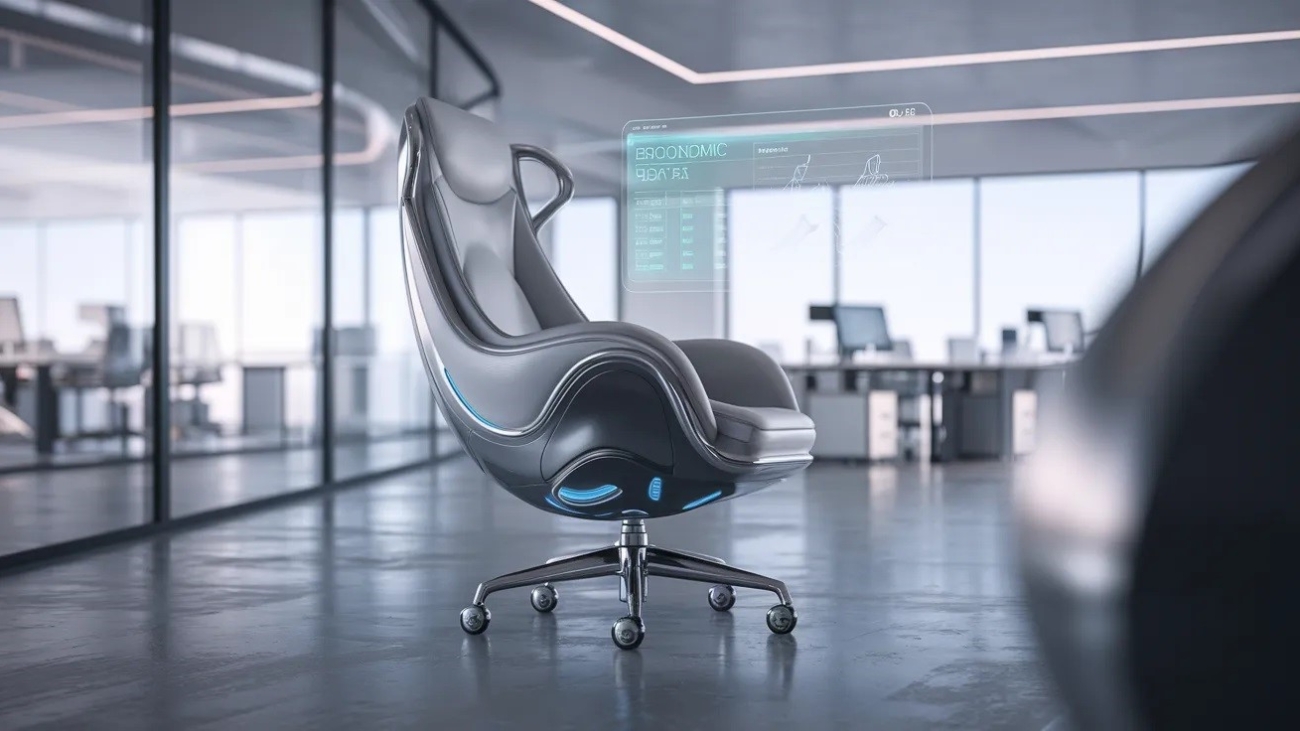
The Role of Chair Design in Dental Ergonomics

The Role of Chair Design in Dental Ergonomics: A Kinematic Assessment of Movement and Ergonomic Risk.

This study investigates how dental chair design influences posture and ergonomic risk during clinical work. Dentists are particularly prone to musculoskeletal disorders (MSDs) due to prolonged static and awkward postures during treatment. Proper chair design is often assumed to help reduce such risks, but empirical data have been limited.

To address this, the researchers compared five different dental chair models with 22 right-handed dentists performing simulated treatment tasks on a phantom head. The participants’ full-body movements were captured using an inertial motion-tracking system, and ergonomic risk was continuously analyzed through the Rapid Upper Limb Assessment (RULA) method. Statistical analysis included the Friedman test with pairwise comparisons and Statistical Parametric Mapping (SPM) to detect differences across the motion data. Significance was set at p ≤ 0.05.

The results revealed no statistically significant difference in overall RULA scores between the chair models. All chairs produced RULA scores of 5 or higher, which correspond to an “uncomfortable and high-risk” ergonomic posture category. This indicates that, regardless of chair type, the participants remained exposed to a considerable risk of developing MSDs.

Some localized joint-angle differences appeared across certain chairs—for instance, differences between chairs 1 and 5 for the left shoulder, 2 and 4 for the right shoulder, and 1 and 3 for trunk and elbow positions. However, these variations were scattered and did not form a consistent or clinically relevant pattern.

In the discussion, the authors emphasize that chair design alone cannot significantly lower ergonomic risk in dentistry. Even with modern or ergonomically branded chairs, the working posture of dentists remains constrained by task demands, patient positioning, and visual access. Therefore, personal comfort and psychological preference should be prioritized when selecting chairs, rather than relying solely on presumed ergonomic superiority.

The authors recommend that future studies incorporate muscle-activity data (e.g., EMG recordings) and evaluate long-term fatigue and posture variability across a full workday to provide a more complete picture of ergonomic performance.

Ultimately, the study concludes that while dental chair design plays a supporting role, a comprehensive ergonomic strategy—including proper training, adjustable workspace design, frequent posture changes, and awareness of fatigue—is essential to effectively reduce MSD risk among dental professionals.

(Source: MDPI – Biomechanics, 2025, Vol. 12, Issue 4, Article 353)
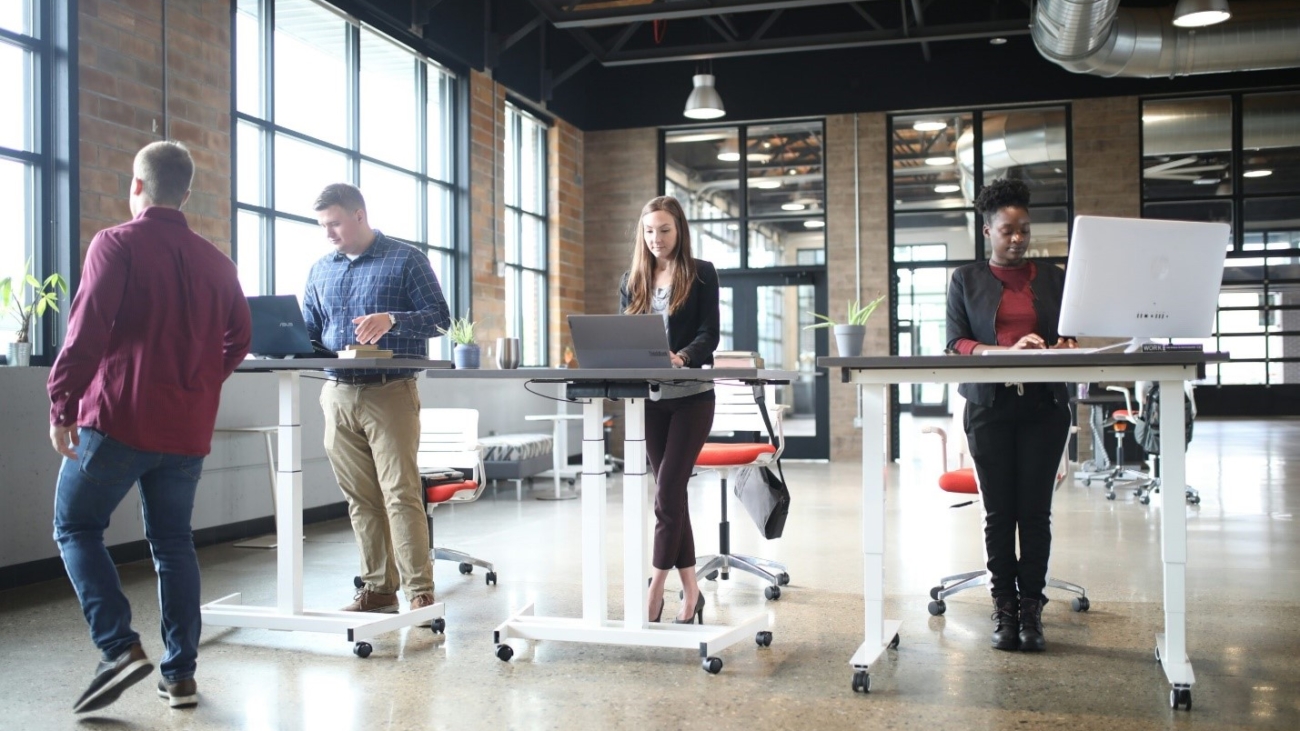
Innovations in Ergonomic Design

Innovations in Ergonomic Design: Enhancing Workplace Performance

This article explores how modern ergonomic design innovations are reshaping workplace performance, safety, and employee well-being. As technologies and work demands evolve, traditional ergonomic approaches must adapt. The author discusses historical foundations, guiding principles, and cutting-edge strategies in ergonomic design—especially focusing on the use of anthropometry, 3D modeling, AI, and human–robot collaboration to create adaptive and human-centered workstations.

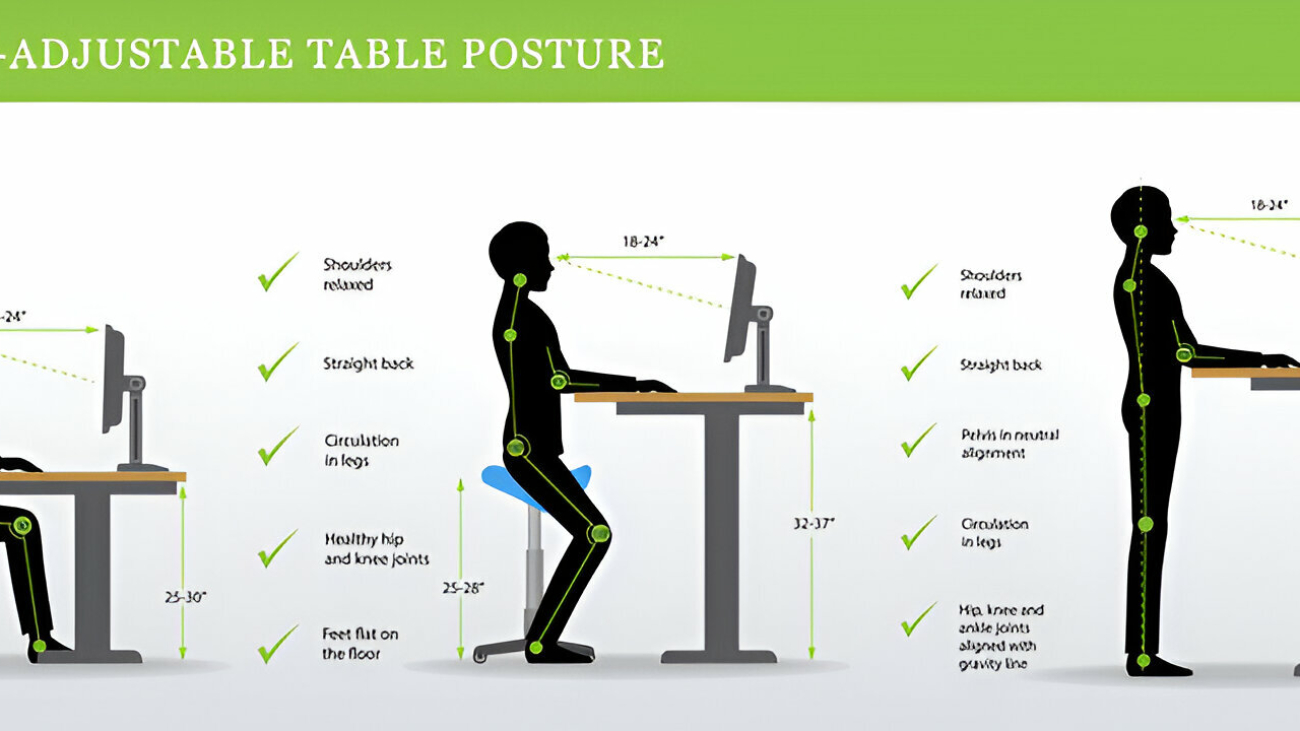
The paper begins with a review of early ergonomic work and how the field has advanced to reflect integration with engineering, biomechanics, psychology, and design. It argues that workplace setups must be personalized, matching desk heights, chair dimensions, and postural supports to the body dimensions of individual users. For example, chair and desk proportions should correspond to femur length, knee height, torso lean angles, and reach envelopes.

A central contribution of the work is a case study in which the author uses 3D modeling and anthropometric datasets to design improved chair and desk units, comparing variants with and without armrests. The analysis shows how these custom designs can reduce awkward postures and better accommodate diverse body sizes.

The article also surveys emerging innovations:

  • Digital ergonomics, where sensors, feedback systems, and adaptive control adjust furniture behavior dynamically in response to user posture.
  • Human–robot collaboration, where robotic systems may assist or reposition workpieces to reduce strain.
  • Incorporation of AI and data analytics to predict risk, provide posture correction cues, and optimize workspace configuration over time.

The author also addresses challenges: implementing ergonomic standards across varied industries, cost constraints for advanced systems, user acceptance, and ensuring inclusive designs that cater to different populations.

In conclusion, the article argues that the future of ergonomics lies in adaptive, responsive, and integrated systems — not just static furniture. To truly enhance workplace performance and safety, ergonomic design must embed intelligence, leverage cross-disciplinary collaboration, and continuously evolve in response to human needs and technological advances.

Source : https://rojournals.org

Ergonomics In The Workplace

Ergonomics In The Workplace And Preventing Musculoskeletal Disorder

This article addresses the high prevalence and negative impact of musculoskeletal disorders (MSDs) in workplace settings and presents ergonomics as a key approach for prevention. The authors base their discussion on a case-study in the administrative unit of the University of Port Harcourt, Nigeria, supplemented by literature review and ergonomic theory.

They begin by defining ergonomics as the science of fitting the workplace to the worker, rather than forcing the worker to adapt to poorly designed environments. They also define MSDs broadly as injuries or conditions affecting muscles, bones, tendons, ligaments, and nerves, often resulting from repetitive, forceful, or awkward postures over time. The introduction underscores that MSDs are among the leading causes of discomfort, absenteeism, reduced productivity, and increased healthcare or compensation costs.

The authors catalog risk factors contributing to MSDs in workplaces. These include:

  • repetitive tasks (doing the same motion many times)
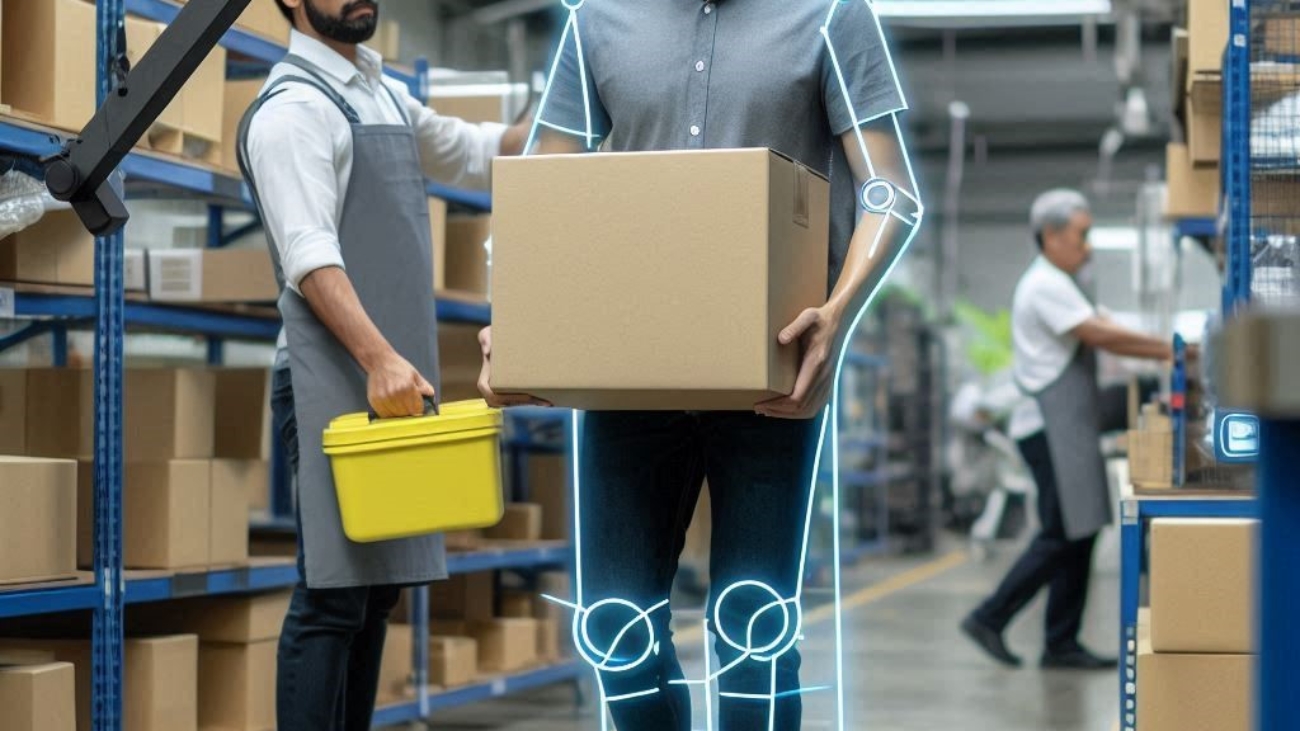
  • forceful exertions (lifting, pushing heavier loads)
  • awkward postures (twisting, reaching, bending)
  • prolonged static postures (sitting or standing too long)
  • vibration exposure
  • prior injury, obesity, advancing age, and poorly designed tools or workspaces

To mitigate these risks, they detail three tiers of control strategies:

  1. Engineering controls: redesigning workstations, providing mechanical aids, using adjustable equipment and tools, integrating sensors or automation, and improving layout to reduce reach, bend, or strain.
  2. Administrative controls: job rotation, scheduled rest breaks, training workers in posture and safe techniques, adjusting work schedules, and task variation to avoid repetitive strain.
  3. Personal protective equipment (PPE): e.g. ergonomic gloves, back supports, or braces to reduce strain when lifting or handling loads.

They also outline best practices for ergonomics programs: conducting risk assessments, involving employees in solutions, continuous evaluation and feedback loops, management commitment, and using case examples to demonstrate positive outcomes. In one case, adopting ergonomic interventions reduced MSD incidents and improved comfort among staff.

In their conclusion, Amadi & Onyeaso emphasize that implementing ergonomics is not merely a compliance measure but a long-term investment in worker health, productivity, and organizational success. They argue that holistic ergonomics — combining design, policy, training, and participation — is essential to reduce MSD burden in workplaces.

Source : https://www.seahipublications.org


AI-Powered Ergonomics

AI-Powered Ergonomics: Enhancing Workplace Safety through Posture Detection


This paper addresses a key limitation in conventional ergonomic evaluations: they are often subjective, labor-intensive, and inconsistent. Traditional methods rely on human observers who may introduce bias or variability, and cannot offer continuous, automated monitoring. To overcome these limitations, the authors propose an AI-powered ergonomics framework that performs real-time posture detection and classification to reduce the incidence of musculoskeletal disorders (MSDs) in workplace settings.

Methodology & System Design

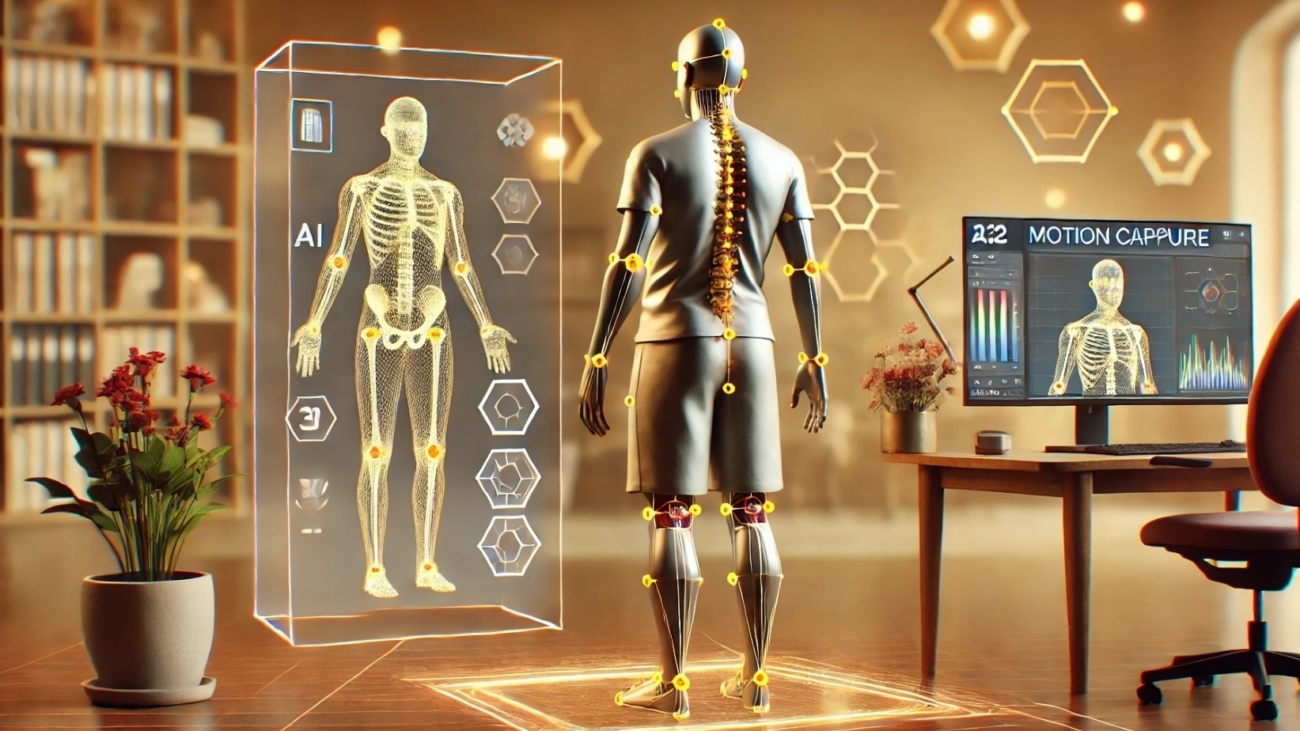
The framework uses TensorFlow MoveNet, a pose estimation model, to extract anatomical keypoints (e.g., shoulders, hips, knees) from video frames, capturing human posture continuously. These keypoints serve as input to a Random Forest classifier, which categorizes posture into one of four classes: “sitting appropriate,” “sitting inappropriate,” “standing appropriate,” and “standing inappropriate.” To validate the AI predictions, the authors also employ wearable inertial sensors (e.g. IMUs) placed on the lower back and shoulders for cross-verification.

Findings & Results

In controlled test environments, the system achieved 100% classification accuracy distinguishing correct vs. incorrect postures. In real-world deployment across different workplace settings (e.g. offices, manufacturing), the model recorded meaningful improvements in ergonomic compliance:

  • Workplace injuries reduced by approximately 25%
  • Self-reported discomfort dropped by around 30%

These results demonstrate that integrating AI-based posture detection into standard safety protocols can yield tangible health and performance benefits for workers.

Challenges & Limitations

Despite promising results, the authors acknowledge several barriers to broader adoption:

  • Data privacy & surveillance concerns: The use of continuous video monitoring may raise ethical and legal issues in workplaces.
  • Generalization limits: Models trained in one environment may struggle to adapt to different lighting, body types, camera angles, or work contexts.
  • User acceptance & adoption: Workers and organizations may resist being monitored or distrust AI judgments.
  • Technical robustness: Ensuring the system remains reliable across diverse real-world conditions (occlusions, movement noise) is nontrivial.

Conclusion & Implications

The study concludes that AI-powered posture detection systems represent a promising, scalable tool to enhance workplace ergonomics. When combined with training, policy, and ergonomic design improvements, these systems can help shift ergonomic evaluation from reactive to proactive. The authors recommend further longitudinal studies, extension to more complex tasks, refining robustness, and careful handling of privacy and human factors to advance adoption.

Source : https://www.researchgate.net/publication/389610617_AI-Powered_Ergonomics_Enhancing_Workplace_Safety_through_Posture_Detection

AI-Driven Posture Correction for Workplace Well-being

AI-Driven Posture Correction for Workplace Well-being

In “AI-Driven Posture Correction for Workplace Well-being”, the authors present a system that leverages artificial intelligence and wearable sensors to monitor, assess, and correct posture in real time within workplace settings (especially for sedentary workers). The motivation is that prolonged sitting and incorrect postures contribute to musculoskeletal disorders (MSDs), diminished well-being, and reduced productivity.

Methodology & Design

The system employs multiple sensor modalities—IMUs (inertial measurement units), accelerometers, and biopotential sensors—to continuously collect data related to body orientation, movement, and muscle signals. The AI models are built using frameworks like TensorFlow, Keras, and MediaPipe to perform keypoint detection and posture estimation. From the detected keypoints and sensor signals, the system computes joint angles and deviations from expected ergonomic posture thresholds.

A user-centered design principle is applied: the device gives real-time visual and audio feedback cues to prompt the user to correct suboptimal posture (e.g. slouching, leaning forward). Users may have profiles that consider their desk/chair height, body measurements, and personal preferences to tailor the corrective cues.

Key Findings & Outcomes

Through prototype testing and individual experiments, the authors report that the system is effective at detecting posture deviations and prompting timely corrections. They suggest that integrating AI-driven posture correction can reduce risk factors associated with poor sitting behavior and may foster a healthier work environment. The authors also highlight that continuous assessment and feedback can cultivate better posture habits over time.

Challenges & Considerations

The authors acknowledge several hurdles in deploying such a system broadly:

  • Sensor accuracy & calibration: Ensuring that sensor readings are precise under real working conditions and across different body types.
  • Real-world robustness: Handling diverse lighting, occlusions, movement artifacts, and environmental noise that may confound posture detection.
  • User acceptance & intrusiveness: Some users may resist constant monitoring or find audio/visual cues distracting.
  • Privacy & data ethics: Continuous monitoring of people’s posture and movement introduces privacy risks that must be handled carefully.
  • Scalability & personalization: Adapting models to different workplaces, chair/desk configurations, and user profiles is nontrivial.

Conclusion & Implications

The authors conclude that AI-driven posture correction systems offer promising potential to proactively support ergonomic behavior, reduce MSD risk, and promote wellness in modern office settings. However, they emphasize that technical, ethical, and human factors challenges must be addressed before widescale adoption. They recommend future research in long-term deployment, user studies, improved adaptability, and privacy safeguards.

Source : https://www.ijfmr.com/papers/2025/3/45257.pdf

e90c9763-bf0b-4ec1-af9e-02ae69ad6cab

The Future of Wellness: AI and Beyond in Ergonomics!

Imagine a future where your workspace automatically adjusts to your posture, reminding you to take breaks and suggesting stretches to prevent pain. This isn’t science fiction; it’s the future of ergonomics with advancements in Artificial Intelligence (AI).

AI for a Healthier Work Environment:

• Real-time Posture Monitoring: AI-powered systems can analyze your posture through webcams or wearable sensors, providing real-time feedback on slouching, rounded shoulders, or other posture issues.

• Personalized Coaching: AI algorithms can learn your posture patterns and suggest corrective exercises or adjustments to your workstation setup for optimal ergonomics.

• Predictive Analytics: AI can predict potential risks for musculoskeletal disorders (MSDs) based on your posture and work habits, allowing for preventative measures.

A 2021 report by the McKinsey Global Institute https://www.mckinsey.com/mgi/overview explored the potential of AI in the workplace. The report suggests that AI can play a significant role in improving workplace safety and employee well-being through ergonomic solutions.

Perform2Plus: At the Forefront of Innovation

Perform2Plus is committed to staying at the forefront of ergonomic innovation. We’re actively exploring the integration of AI technology to further enhance our software’s capabilities. Here’s a glimpse of what the future might hold:

• AI-powered posture correction reminders: Imagine gentle nudges from your computer screen or wearable device when your posture falls out of alignment.

• Personalized ergonomic recommendations based on AI analysis: AI could analyze your work environment and suggest specific adjustments to furniture, lighting, or equipment for optimal comfort.

• Gamified posture improvement programs: AI could make maintaining good posture fun and engaging through interactive exercises and personalized challenges.

The Future of Ergonomics is Here

Perform2Plus is already making a difference in promoting good posture and improving workplace comfort. With the integration of AI, we’re poised to revolutionize ergonomics and create a future where healthy work habits are effortless and accessible to everyone.

e5546a10-4399-4567-841f-81a66c194c0e

Work From Anywhere: Stay Comfy with Remote Ergonomics!

The rise of remote work has transformed the way we work, offering flexibility and convenience. But working from home or non-traditional office spaces can also pose ergonomic challenges. Improvised workstations and long hours spent sitting can lead to discomfort and pain.

Here at Perform2Plus, we understand the unique needs of remote workers. That’s why we’ve developed tips and strategies to help you create a comfortable and ergonomic workspace, no matter your location.

Remote Ergonomic Essentials:

• Embrace Portability: Invest in portable ergonomic tools like a laptop stand to elevate your screen and a back cushion for lumbar support. These lightweight accessories can travel with you and easily adapt to different work environments.

• Utilize Natural Light: Seek out natural light sources whenever possible. Natural light reduces eye strain and helps regulate your sleep-wake cycle, which can be disrupted by working from home.

• Get Moving Regularly: Don’t get caught in the desk chair trap! Set reminders to get up and move around every 20-30 minutes. Take short walks, stretch, or do some simple exercises to improve circulation and prevent stiffness.

• Mind Your Posture: Perform2Plus is your remote ergonomic companion! Our software provides real-time feedback and personalized recommendations to help you maintain good posture throughout the day, even when working from your couch or kitchen table.

A 2020 study by Stanford University [invalid URL removed] investigated the impact of remote work on employee well-being. The study found that while remote work offers benefits like flexibility, it can also lead to increased musculoskeletal discomfort due to prolonged sitting and poorly designed workstations.

Remote Work, Optimal Comfort

Working remotely doesn’t mean sacrificing comfort or good posture. With a few simple adjustments and the help of Perform2Plus, you can create a healthy and productive work environment, no matter where you choose to work. Perform2Plus offers real-time feedback, personalized exercises, and educational resources to help you develop healthy posture habits that will benefit you for years to come.

54d8795c-2f74-4196-bb4d-cf0acdbbc67a

Ergonomics on a Budget: Simple Tweaks for Big Results!

Creating an ergonomic workspace doesn’t have to break the bank. While fancy ergonomic chairs and standing desks can be tempting, there are many low-cost or even no-cost adjustments you can make to improve your comfort and well-being throughout the workday.

Here are some budget-friendly ergonomic hacks you can implement right now:

• Posture Awareness: The first step is simply being mindful of your posture. Throughout the day, take a moment to check in with your body and ensure you’re sitting or standing tall with your shoulders back and relaxed.

• Posture Reminders: Set a timer on your phone or use a sticky note to remind yourself to adjust your posture every 20-30 minutes.

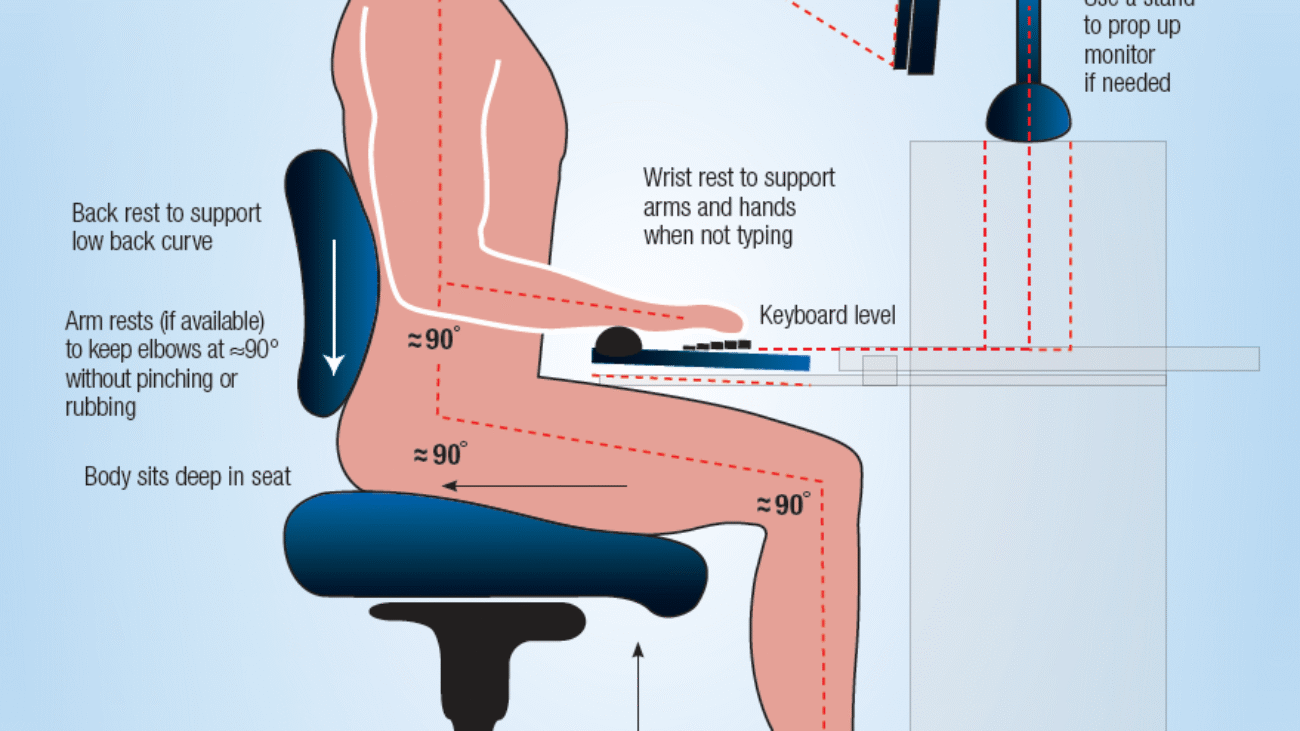
• Lumbar Support: If your chair lacks built-in lumbar support, a simple rolled-up towel placed behind your lower back can make a big difference.

• Footrest: If your feet don’t comfortably reach the floor while seated, use a stack of books or a small box to create a makeshift footrest. This helps maintain proper knee and hip alignment.

• Monitor Height: Stack books or use a box to elevate your monitor to eye level, reducing neck strain.

• Natural Light: Whenever possible, maximize natural light in your workspace. This can help reduce eye strain and improve your mood.

• Stretching: Taking short breaks throughout the day to stretch your muscles and improve circulation can significantly reduce aches and pains. There are many free online resources offering simple desk stretches.

Small Changes, Big Impact

Even these simple adjustments can significantly improve your comfort and well-being at work. By incorporating these budget-friendly ergonomic hacks, you can:

• Reduce Pain and Discomfort: Maintaining good posture can help prevent aches and pains associated with prolonged sitting or standing.

• Improve Productivity: Feeling comfortable and focused can lead to increased productivity and efficiency.

• Boost Your Overall Health: Good posture can contribute to better circulation, increased energy levels, and improved mood.

Perform2Plus Complements Your Ergonomics

While these budget-friendly hacks offer a great starting point, Perform2Plus can further enhance your ergonomic efforts. Our software provides real-time feedback and personalized recommendations to help you maintain optimal posture throughout the day.