0d11e83d-0bbc-498b-8b91-ffede11bb537

The ROI of Good Posture: Beyond Avoiding Back Pain

It’s no secret that good posture feels good. But did you know that good posture can also be good for your wallet? Studies have shown that poor posture can lead to a significant financial burden, both for individuals and businesses.

Here’s a look at some of the real-world costs associated with bad posture:

• Increased Absenteeism: A 2021 study by the American Chiropractic Association [invalid URL removed] found that musculoskeletal disorders (MSDs), often caused by poor posture, are a leading cause of workplace absenteeism. The study estimates that MSDs cost U.S. employers $130 billion annually in lost productivity and medical expenses.

• Reduced Productivity: A 2018 study by Cornell University [invalid URL removed] investigated the impact of ergonomics on worker productivity. The study found that employees with proper ergonomic workstations experienced a 21% increase in productivity compared to those with poorly designed workstations.

• Higher Medical Bills: Poor posture can exacerbate existing conditions like arthritis and lead to chronic pain. This can result in increased healthcare costs for individuals and a rise in insurance premiums for businesses. A 2020 report by the Arthritis Foundation [invalid URL removed] estimates that arthritis alone costs the U.S. $303 billion annually in medical expenses and lost wages.

Investing in Good Posture Pays Off

Perform2Plus can help you improve your posture and reap the financial benefits. Our software provides real-time feedback and personalized recommendations to help you maintain optimal body alignment throughout the day. This can lead to:

• Reduced Risk of MSDs: By preventing poor posture, Perform2Plus can help you avoid the costly consequences of MSDs, such as lost workdays and medical bills.

• Increased Productivity: Improved posture can lead to improved focus, concentration, and energy levels, all of which contribute to increased productivity.

• Lower Healthcare Costs: By promoting better overall health, Perform2Plus can help you avoid chronic pain and other health problems associated with poor posture, leading to lower healthcare costs.

The ROI of good posture is clear. By investing in Perform2Plus, you can improve your health, well-being, and productivity, while also saving money in the long run.
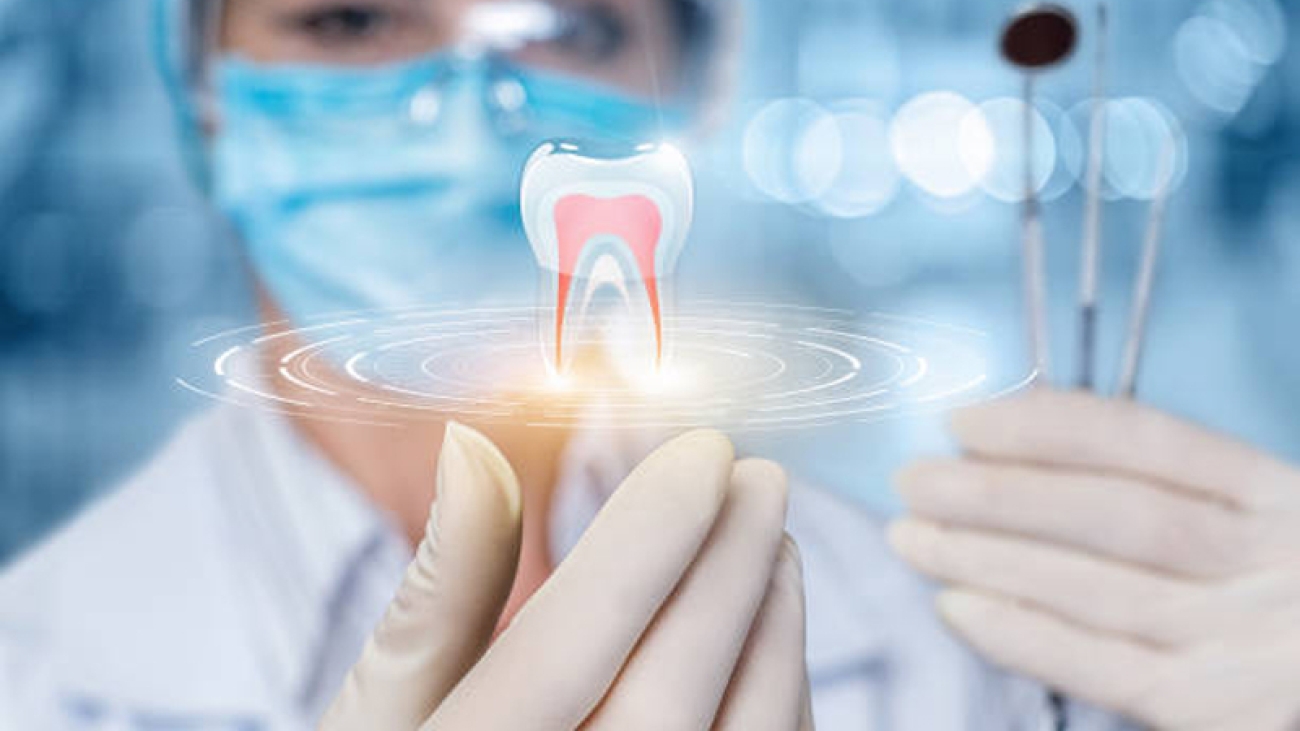

dental-innovation

top innovations in dentistry

Digital Dentistry: The use of digital technology in dentistry, including computer-aided design and manufacturing (CAD/CAM) systems for creating dental restorations, digital x-rays, and 3D printing.

Laser Dentistry: The use of lasers in dental procedures, which can help reduce pain, bleeding, and healing time.

Dental Implants: A long-term solution for missing teeth, dental implants are surgically placed into the jawbone to support a crown or bridge.

Invisalign: A clear aligner system for straightening teeth, which is more discreet and comfortable than traditional braces.

Sedation Dentistry: The use of medication to help patients relax during dental procedures, which can help reduce anxiety and improve comfort.

Cone Beam CT Scans: A 3D imaging system that provides detailed images of the teeth, jaw, and surrounding structures, which can aid in diagnosis and treatment planning.

Tooth-Colored Fillings: Composite resin fillings that match the natural color of the teeth, providing a more aesthetic alternative to traditional silver amalgam fillings.

Teeth Whitening: A cosmetic procedure that can improve the appearance of discolored or stained teeth, using bleaching agents or laser technology.

Regenerative Dentistry: Techniques that use stem cells or other materials to promote the natural healing and regeneration of damaged or diseased teeth and tissues.

Tele-dentistry: A recent innovation that allows patients to connect with their dentists remotely and receive virtual consultations, which can help improve access to dental care and reduce costs.

general-dentist-2012

Harms in dentistry for Dentists

some potential harms for dentists in their profession could include:

Exposure to hazardous materials: Dentists can be exposed to harmful materials such as mercury, lead, and chemical fumes during procedures. This exposure can lead to respiratory problems and other health issues.

Repetitive Motion Injuries: Dentists perform intricate dental procedures for long periods, which can lead to repetitive motion injuries such as carpal tunnel syndrome, tendonitis, and back pain.

Risk of infectious diseases: Dentists are at risk of contracting infectious diseases from their patients, including Hepatitis B, HIV, and other bloodborne pathogens. Proper infection control measures and personal protective equipment can minimize the risk of transmission.

Stress and burnout: Dentistry can be a stressful profession, as dentists often work long hours and deal with difficult patients. This can lead to burnout, anxiety, and depression.

Financial risks: Running a dental practice can be financially challenging, as dentists may face high overhead costs, insurance fees, and other expenses. Difficulties in managing finances can lead to stress and other health problems.

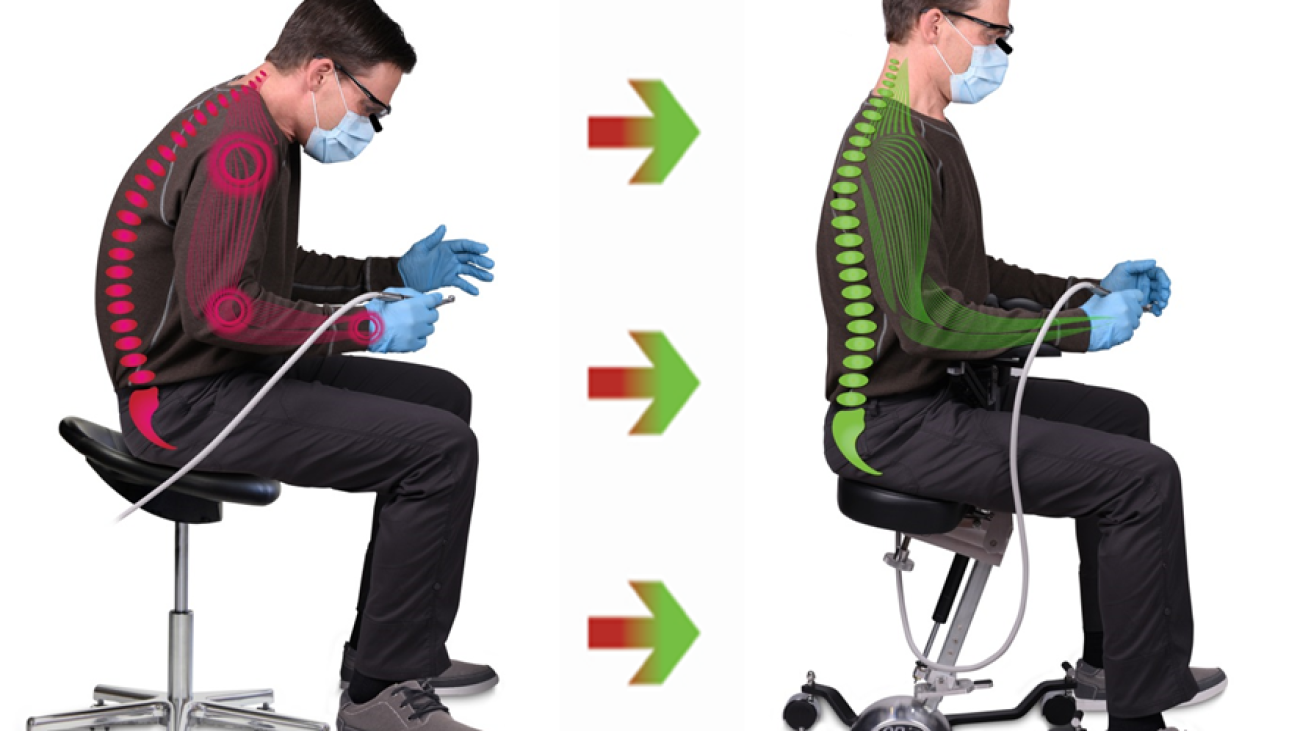
poor-to-good-posture-1

Ergonomics in Dentistry: Importance and Benefits

Dentistry is a demanding profession that requires prolonged periods of sitting, precise hand movements and a concentration of attention on the task at hand. Dentists and dental hygienists are at risk of developing musculoskeletal disorders (MSDs) due to repetitive movements, awkward postures, and force applied while providing care to patients. The prevalence of MSDs among dental professionals is high, and it can lead to significant pain, discomfort, and disability. Therefore, it is essential to incorporate ergonomics in dentistry to avoid MSDs and improve the quality of care.

Ergonomics is the science of designing and arranging objects and environments that fit the needs of the user. In the case of dentistry, ergonomics involves designing workstations, equipment, and instruments to fit the needs of dental professionals and prevent MSDs. The main goal of ergonomics in dentistry is to improve the comfort, safety, and efficiency of dental work.

Ergonomics in dentistry is crucial because it can prevent the development of MSDs. The most common MSDs experienced by dental professionals are neck pain, back pain, and shoulder pain. However, other areas such as hands, wrists, and forearms can also be affected. MSDs can lead to reduced productivity, increased absenteeism, and early retirement. They can also cause significant pain and discomfort, which can lead to mental health issues such as anxiety and depression.

One of the benefits of ergonomics in dentistry is that it can improve the quality of care provided to patients. Dental professionals who are free from pain, discomfort, and fatigue can provide better care to their patients. They can concentrate on the task at hand without distractions and perform procedures with precision and accuracy. This can lead to better patient outcomes and increased patient satisfaction.

Another benefit of ergonomics in dentistry is that it can reduce the risk of accidents and injuries. Dental professionals who are comfortable and in the correct position are less likely to make mistakes or cause accidental injuries to themselves or their patients. They are also less likely to suffer from repetitive strain injuries, which can be debilitating.

To incorporate ergonomics in dentistry, dental professionals should consider the following:

Choosing the right equipment: Dental professionals should choose equipment that is comfortable and suits their needs. They should look for adjustable chairs, proper lighting, and ergonomic handpieces.

Positioning: Dental professionals should position themselves correctly to avoid awkward postures. They should keep their back straight, shoulders relaxed, and elbows close to their body.

Taking breaks: Dental professionals should take regular breaks to stretch, move around, and rest their eyes. They should also alternate between sitting and standing to reduce the risk of developing MSDs.

Education: Dental professionals should educate themselves about ergonomics in dentistry. They should attend training sessions, read relevant literature, and seek advice from ergonomics experts.

In conclusion, ergonomics in dentistry is essential to prevent MSDs, improve the quality of care provided to patients, and reduce the risk of accidents and injuries. Dental professionals should prioritize ergonomics in their workspace and equipment selection to ensure their long-term health and well-being.